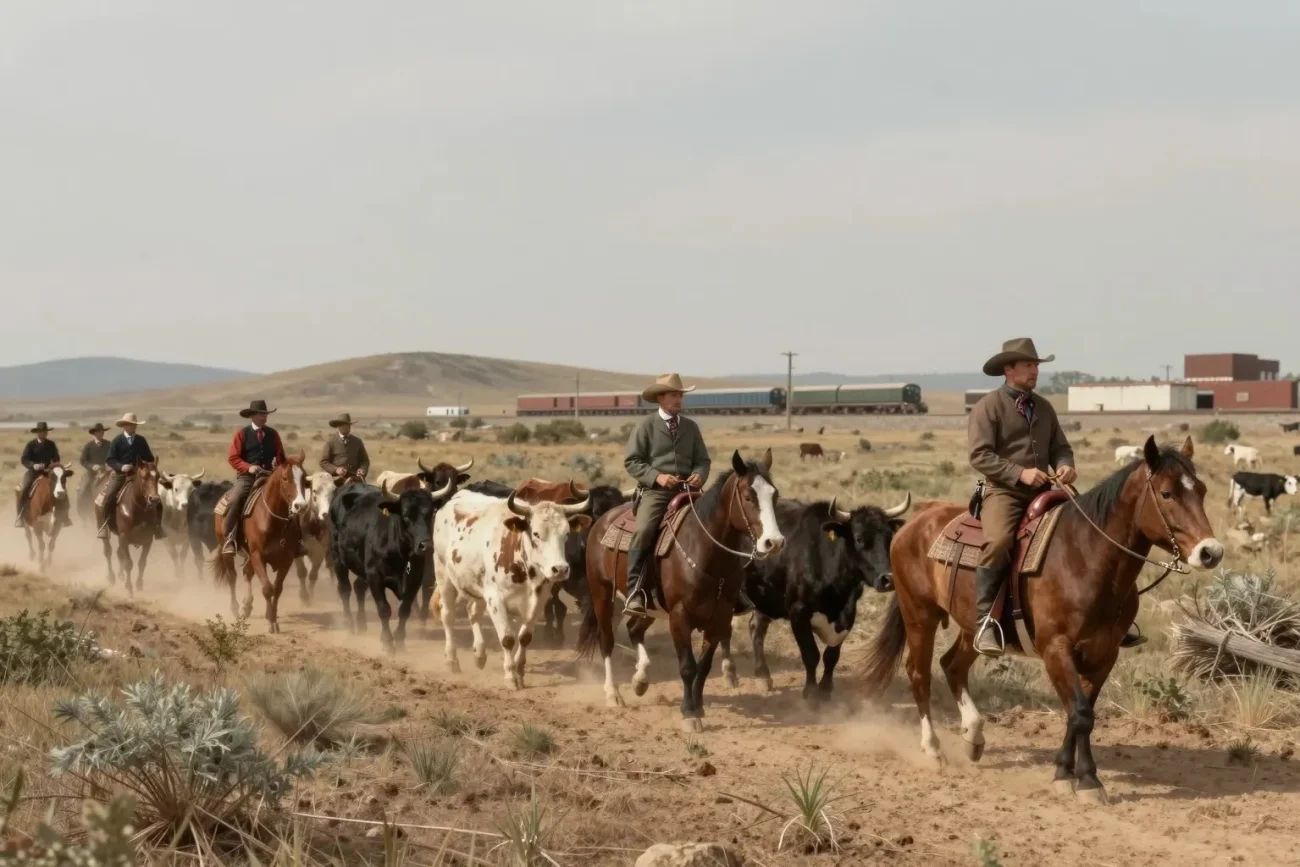
The transportation of cattle from Texas to the eastern markets was a significant chapter in American history, driven by the quest for beef and the booming cattle industry․ This movement was largely facilitated by cattle drives, an extraordinary effort involving cowboys, drovers, and ranchers who drove massive herds of longhorns across vast prairies and cattle trails․
The Rise of Cattle Drives
In the mid-19th century, Texas emerged as a hub for cattle ranching due to its expansive open range and favorable grazing conditions․ The Texas longhorn, a hardy breed known for its resilience, became the primary livestock for these cattle drives․ To meet the growing demand for beef in the eastern United States, cattle had to be transported eastward to reach lucrative markets․
The Chisholm Trail
One of the most famous cattle trails was the Chisholm Trail, which stretched from Texas to the railheads in Kansas․ This trail became a major route for drovers herding cattle to railroad stockyards, where they were loaded onto trains bound for the east․ The trail was named after Jesse Chisholm, a trader who had originally cleared the path for trade purposes․
The Role of Railroads
Railroads played a pivotal role in the transportation of cattle․ Once the cattle reached the railheads, they were transported via railroads to the eastern markets․ This method was more efficient and quicker compared to overland herding․ The expansion of the railroad network made it possible to transport cattle in large numbers, revolutionizing the cattle industry․
The Life of Cowboys and Drovers
The success of cattle drives depended heavily on the skill and endurance of cowboys and drovers․ These individuals were responsible for herding cattle across challenging terrains, managing livestock, and ensuring the safety of the herd․ Cowboys were adept at dealing with the many hazards of the trail, including river crossings, storms, and potential cattle stampedes․
The Impact of Barbed Wire
The invention of barbed wire in the late 19th century marked a significant turning point for cattle drives․ As ranchers began fencing their lands, the open range concept started to decline․ This change restricted the movement of cattle across vast areas, leading to the end of the traditional cattle drive era․ The introduction of barbed wire effectively reshaped the landscape of cattle ranching and transportation․
Stockyards and Markets
Stockyards became central hubs for the cattle industry, providing a place for cattle to be gathered, sold, and shipped․ Cities like Chicago and Kansas City developed extensive stockyards that served as crucial links between the western ranches and the eastern markets․ These stockyards facilitated the efficient handling and transportation of beef, meeting the growing demands of eastern consumers․
Legacy of Cattle Trails
Although the era of cattle drives was relatively short-lived, the legacy of the cattle trails is enduring․ They symbolize a period of American history characterized by rugged individualism, the spirit of adventure, and the economic transformation of the West․ The stories of cowboys, longhorns, and the open range continue to captivate the imagination and form a vital part of the American cultural narrative․
The transportation of cattle from Texas to the east was a remarkable feat that involved a complex network of cattle trails, railroads, and market systems․ It was a period defined by innovation, resilience, and the relentless pursuit of opportunity․ Despite the challenges, the cattle drives helped shape the American West and left an indelible mark on the cattle industry․
