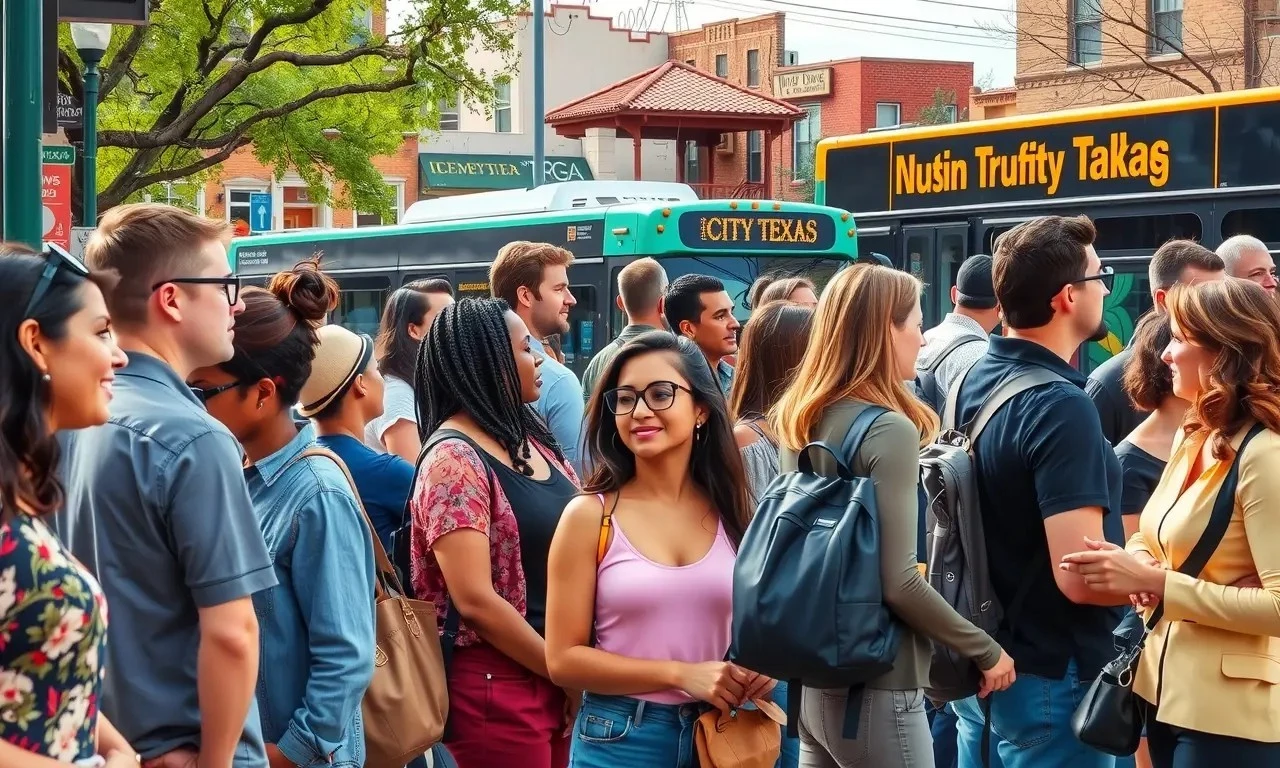
Public transportation in Austin, Texas, plays a crucial role in the daily lives of many residents and visitors․ As the city continues to grow, understanding who uses these services and why is essential for planning future urban transit solutions that are sustainable, accessible, and efficient․
Demographics of Public Transportation Users
The demographics of public transportation users in Austin are as diverse as the city itself․ The bus system and metro services cater to a wide range of individuals, including students, professionals, and tourists․ A significant portion of the ridership consists of young adults, particularly those attending the University of Texas at Austin; Students benefit from discounted fares, making public transit a cost-effective option for traveling to and from campus․
Additionally, many low-income residents rely on public transportation as a primary mode of travel due to economic factors․ Public transit offers an affordable alternative to owning a car, which can be a significant financial burden․ For these individuals, accessibility to urban transit systems is not just a convenience but a necessity․
Commuters and Daily Users
Commuters form a substantial part of the daily users of Austin’s public transportation network․ With the city’s rapid population growth and increasing traffic congestion, more people are turning to public transit to avoid the stress of driving․ The daily commute is made easier by well-planned transit routes that connect key residential areas with major employment hubs․
Many professionals working in downtown Austin or in tech hubs like the Domain choose to use public transportation to save time and reduce their carbon footprint․ The eco-friendly appeal of public transport aligns with the values of a city known for its environmental consciousness․
Transportation Hubs and Transit Routes
Austin’s public transportation infrastructure includes several key hubs and an extensive network of transit routes․ These hubs are strategically located to maximize accessibility and convenience for users․ Major hubs like the Austin Central Station and South Congress Transit Center serve as focal points for bus and metro services, facilitating seamless transfers and reducing travel times․
The transit routes are designed to cover a broad area of the city, offering connections between neighborhoods, shopping districts, and cultural centers․ The efficiency of these routes is crucial in encouraging higher ridership and ensuring that public transportation remains a viable option for more people․
Impact of Population Growth and City Infrastructure
Austin’s population growth presents both challenges and opportunities for its public transportation system․ As more people move to the city, the demand for efficient and reliable urban transit increases․ This growth necessitates ongoing investments in city infrastructure to expand and enhance the public transportation network․
Continued development of transportation hubs and improvements in service frequency and coverage are essential to accommodate the growing number of daily users․ These efforts contribute to reducing traffic congestion and minimizing the environmental impact associated with increased vehicle use․
Sustainability and Environmental Impact
Sustainability is a key consideration in Austin’s approach to public transportation․ By promoting the use of buses and metro services, the city seeks to decrease the reliance on personal vehicles, thus reducing greenhouse gas emissions and other pollutants․ Public transportation is inherently more eco-friendly than individual car travel, making it a critical component of Austin’s sustainability goals․
The environmental benefits of public transit extend beyond reducing emissions․ By alleviating traffic congestion, public transportation helps to lower the overall consumption of fuel and decrease travel times, contributing to a cleaner and more efficient urban environment․
Economic Factors Influencing Public Transportation
Economic factors significantly influence the use of public transportation in Austin․ The cost of living in the city has been rising, prompting many residents to seek cost-effective travel options․ Public transit offers a financially viable alternative, especially for those who cannot afford the expenses associated with owning and maintaining a vehicle․
Furthermore, the development of public transportation infrastructure can stimulate economic growth by improving access to jobs and services, thereby enhancing the quality of life for residents․ The integration of public transportation with city planning and development strategies is crucial for achieving long-term economic sustainability․
Accessibility and Travel Patterns
Ensuring accessibility for all users is a fundamental goal of Austin’s public transportation system․ This includes providing services that accommodate individuals with disabilities, as well as ensuring that transit options are available in underserved areas․ Accessibility improvements are designed to meet the needs of a diverse population, fostering inclusivity and equal opportunity in urban mobility․
Travel patterns in Austin are influenced by various factors, including employment locations, residential areas, and leisure activities․ Public transportation adapts to these patterns by offering routes and schedules that align with user demand, thereby optimizing the efficiency of the system․
