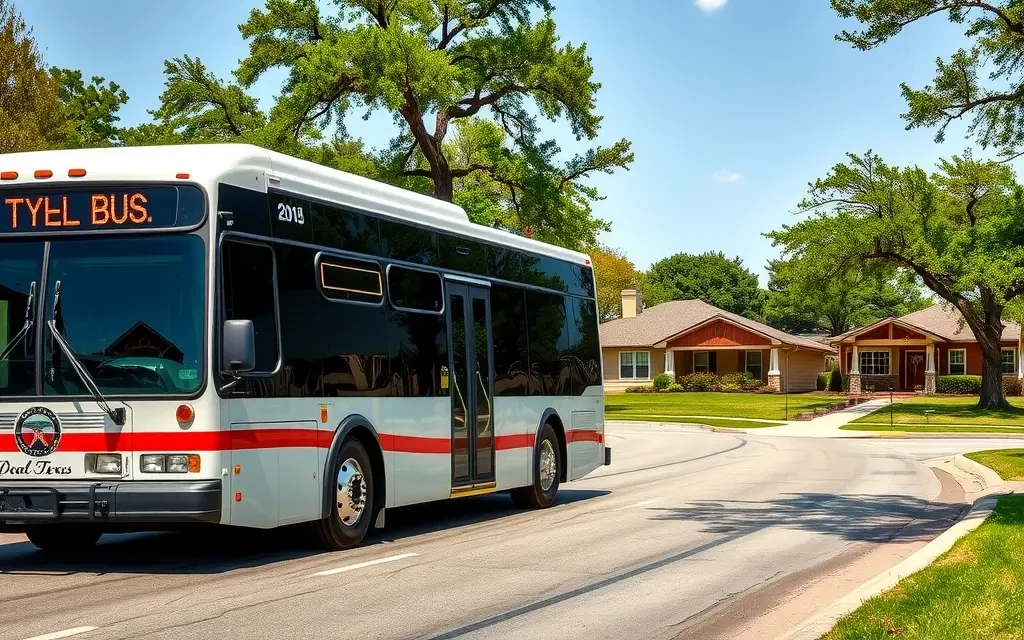
Tyler, Texas, a flourishing city located in the northeastern part of the state, is known for its vibrant community and beautiful scenery. As the city continues to grow, the need for efficient public transportation becomes more crucial for residents and visitors. This article explores the current state of public transportation in Tyler, Texas, focusing on the bus service, transit system, and the various transportation options available.
Overview of Tyler’s Public Transportation
Tyler offers a public transportation system designed to meet the mobility needs of its residents and visitors. The primary mode of public transport in the city is the bus service, managed by the Tyler Transit, which operates under the city’s transit authority. This system aims to provide accessible and affordable transport solutions across Tyler, enhancing the city’s transportation network.
Tyler Transit System
The Tyler Transit system is the cornerstone of public transportation in the city. It provides a network of buses that connect various parts of the city, making it easier for commuters to travel to work, school, or leisure destinations. The transit system is designed to be a reliable and efficient means of travel, reducing the need for private vehicle use and promoting urban transport.
Bus Service and Routes
- Routes: The bus service in Tyler operates several routes that cover significant areas of the city. These routes are strategically planned to ensure maximum coverage and accessibility for all residents. The routes link residential neighborhoods with key commercial and industrial areas, facilitating smooth transit across the city.
- Schedules: Tyler Transit provides detailed schedules for each route, allowing commuters to plan their journeys effectively. The schedules are designed to accommodate peak travel times, ensuring that buses are available when needed most.
Public Transit Access
Accessibility is a critical component of Tyler’s public transportation system. The city has invested in infrastructure to ensure that the transit system is accessible to all, including individuals with disabilities. This commitment to accessibility enhances the overall effectiveness of the public transportation network, making it a viable option for a broader segment of the population.
City Transit and Infrastructure
Efficient city transit is reliant on robust infrastructure. Tyler has made significant investments in its transportation infrastructure to support the bus service and enhance regional transit. This infrastructure includes well-maintained roads, bus stops, and transit hubs, which are essential for smooth operation and service delivery.
Transportation Options Beyond Buses
While the bus service is the primary mode of public transportation, Tyler also offers other transportation options. These include:
- Taxis and Rideshares: Services like Uber and Lyft provide on-demand transportation, offering flexibility and convenience for travelers who prefer not to use the bus service.
- Car Rentals: Several car rental agencies operate in Tyler, providing options for those who need a vehicle for a short period.
- Biking and Walking: The city’s layout and infrastructure support biking and walking, offering an alternative means of transportation that promotes health and environmental sustainability.
The Role of City Planning in Public Transportation
City planning plays a crucial role in the development and success of Tyler’s public transportation system. Effective planning ensures that the transit system is integrated with other aspects of urban development, creating a seamless transportation network that supports city growth and mobility.
Community Services and Regional Transit
Public transportation in Tyler is not just about moving people from point A to point B; it also serves as a vital component of community services. By providing reliable and affordable transit options, the city supports the economic and social well-being of its residents. Furthermore, regional transit initiatives aim to connect Tyler with neighboring communities, enhancing travel and accessibility beyond the city limits.
Challenges and Future Prospects
Like many urban areas, Tyler faces challenges in expanding and maintaining its public transportation system. These challenges include funding constraints, increasing demand, and the need for continual infrastructure upgrades. However, the city is committed to addressing these issues through strategic planning and investment in public transit.
Enhancing Mobility and Accessibility
The future of public transportation in Tyler holds promising prospects. By focusing on enhancing mobility and accessibility, the city aims to create a more integrated and efficient transit system. This vision includes expanding bus routes, increasing frequency, and improving transit infrastructure to better serve the community.
As Tyler continues to grow, public transportation will play an increasingly important role in supporting sustainable development and improving the quality of life for its residents. By prioritizing accessibility and community services, the city can ensure that its public transportation system meets the needs of all who live and work in Tyler.
