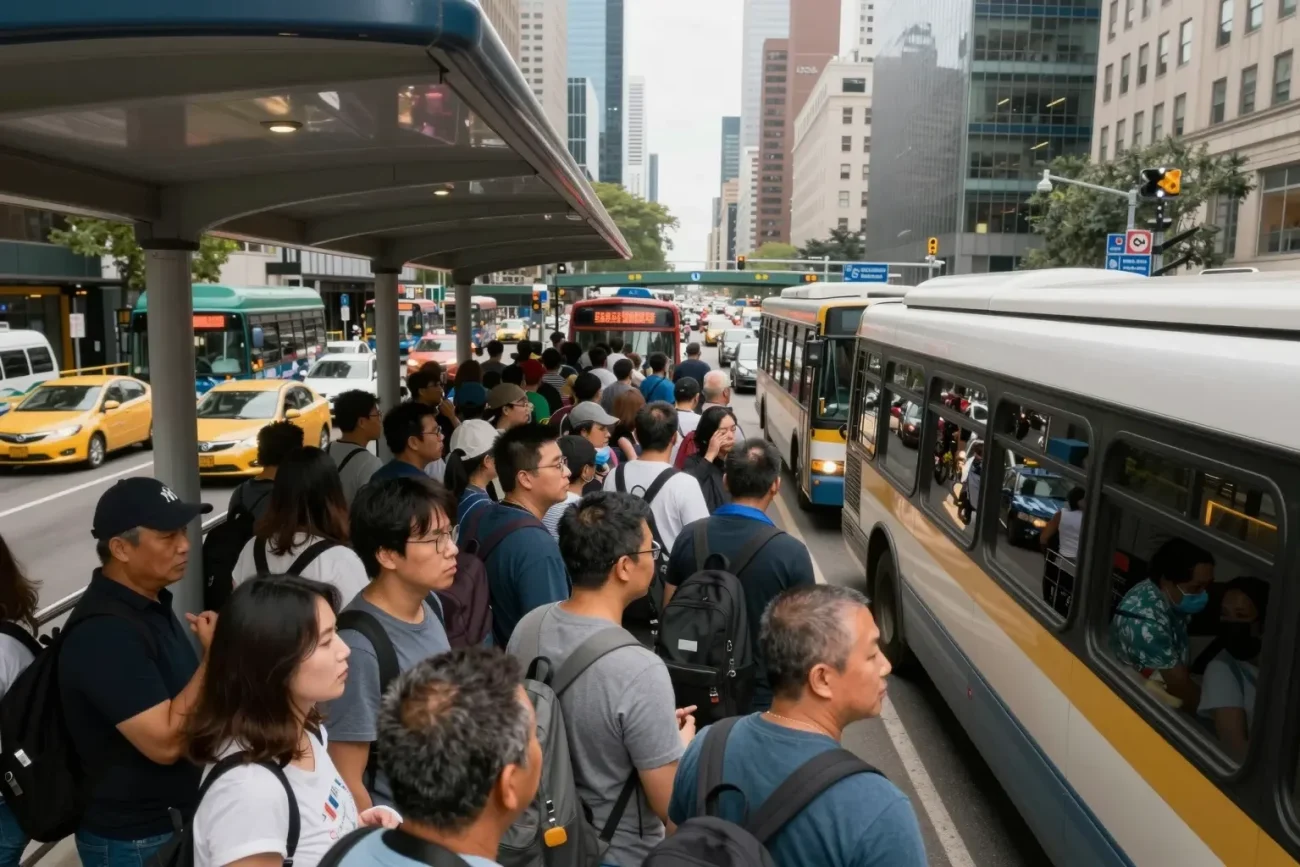
Public transportation in Texas has long been a subject of debate among urban planners, residents, and policymakers. Considering the state’s vast size and rapidly growing population, the adequacy of public transit systems significantly impacts urban planning, infrastructure, and daily commutes. This article explores the challenges and opportunities surrounding public transportation in Texas, focusing on aspects such as accessibility, service frequency, and reliability.
The Current State of Public Transit Systems in Texas
Texas, known for its sprawling cities and substantial urban sprawl, faces unique challenges in developing effective public transportation options. The major cities like Houston, Dallas, Austin, and San Antonio have made strides in improving their mass transit options, including bus routes, light rail, and metro systems. However, the overall accessibility and effectiveness vary significantly across the state.
Infrastructure and Urban Planning Challenges
The infrastructure in Texas has traditionally prioritized roadways and highways, leading to significant traffic congestion in urban areas. As cities continue to expand, integrating public transit into existing infrastructure becomes increasingly complex. Urban planning must incorporate sustainable and efficient transportation options to accommodate growing populations and reduce dependency on personal vehicles.
Accessibility and Service Frequency
One of the critical issues with public transportation in Texas is accessibility. Many regions lack comprehensive coverage, especially in rural areas, where public transit is almost non-existent. Even in urban centers, service frequency and coverage can be inconsistent, affecting ridership levels and commuter convenience.
Reliability and Commuter Challenges
Reliability is a significant concern for Texas transit systems. Delays, limited service hours, and infrequent schedules deter potential riders. These challenges make it difficult for residents to rely solely on public transportation for their daily commute, thus increasing traffic congestion and environmental impact due to higher car usage.
Funding and Transportation Policy
Transportation funding plays a crucial role in the development and maintenance of public transit systems. In Texas, funding often prioritizes road infrastructure over mass transit options, limiting the potential for comprehensive improvements. State initiatives and transportation policies must shift towards a more balanced approach, ensuring adequate investment in public transportation to meet growing demands.
City Development and Regional Connectivity
Effective public transportation is essential for city development and regional connectivity. Cities like Dallas and Houston have invested in light rail and bus routes to improve accessibility and reduce commuter challenges. However, achieving seamless regional connectivity requires coordinated efforts among transit authorities and neighboring regions to expand and integrate transit services.
Environmental Impact and State Initiatives
Public transportation offers significant environmental benefits by reducing emissions and promoting sustainable urban development. Texas state initiatives must focus on enhancing transit systems to mitigate the environmental impact of heavy reliance on personal vehicles. Encouraging higher ridership levels through improved service frequency and reliability can contribute to a healthier environment.
Transit Improvements and Future Outlook
Transit improvements in Texas require a multi-faceted approach, addressing infrastructure, funding, policy, and regional cooperation. Investing in technology, expanding light rail and metro systems, and enhancing rural area coverage are vital steps towards a more efficient public transportation network.
