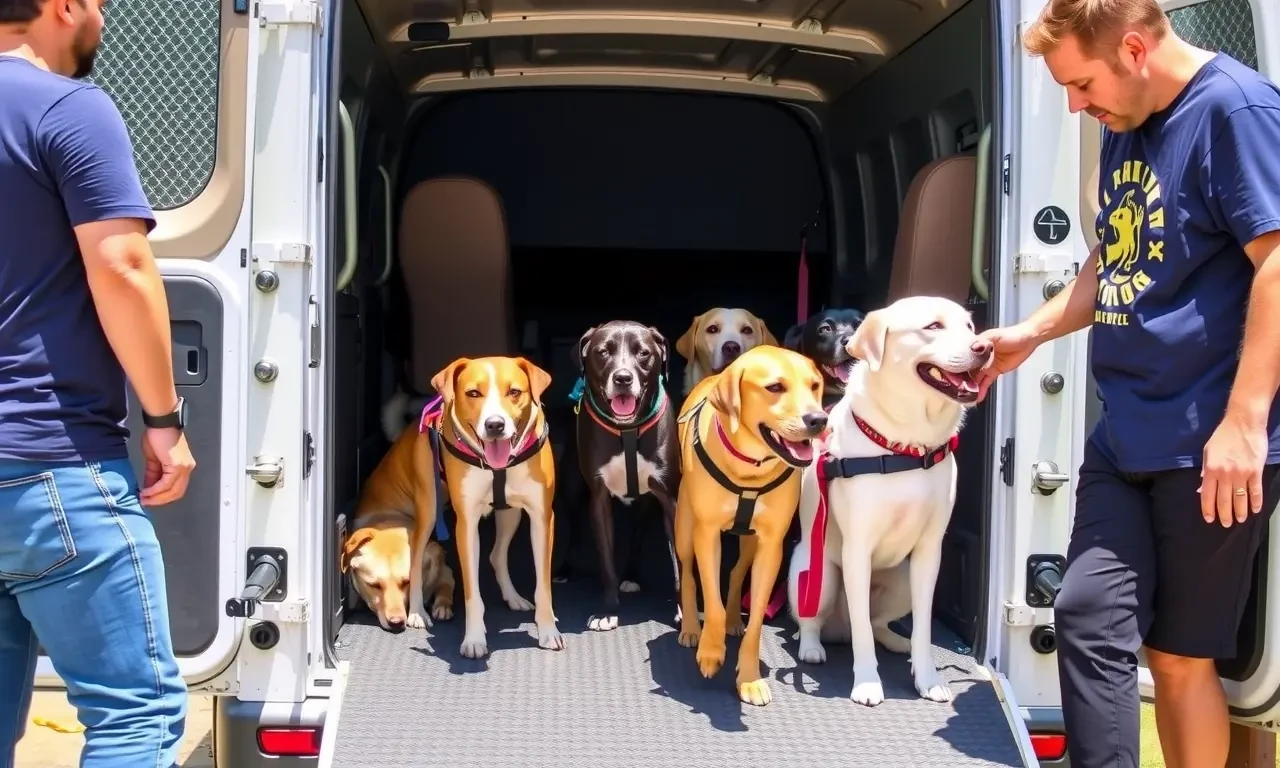
Rescue dogs often face a challenging journey from overcrowded shelters in Texas to new homes in the Northeast. This remarkable process involves a coordinated effort by non-profit organizations, volunteers, foster homes, and various logistical measures to ensure the safety and well-being of these animals.
The Need for Relocation
Texas shelters frequently experience overcrowding due to high intake rates and limited local adoption demand. Conversely, the Northeast has a higher demand for adoptable dogs. This imbalance creates an opportunity for relocation initiatives that can save thousands of dogs from euthanasia and find them loving homes.
The Role of Non-Profit Organizations
Non-profit organizations play a crucial role in facilitating the relocation of rescue dogs. These groups coordinate with Texas shelters to identify dogs that are suitable candidates for adoption in the Northeast. They also manage the logistics of transportation, ensuring that all legal and health requirements are met for interstate travel.
Volunteers and Their Impact
Volunteers are the backbone of dog rescue programs. They contribute their time and effort in various capacities, including transporting dogs, providing temporary foster homes, and organizing pet adoption events in the Northeast. Their dedication helps bridge the gap between the dogs’ initial rescue and their eventual adoption.
Logistics of Transportation
Transporting rescue dogs from Texas to the Northeast involves complex logistics. It requires careful planning and coordination to ensure that the dogs travel safely and comfortably over long distances.
Transport Vehicles
Specialized transport vehicles are used to relocate rescue dogs. These vehicles are equipped with climate control and secure kennels to ensure the dogs’ safety and comfort during transit. Proper ventilation and space are crucial to minimize stress and prevent health issues.
Interstate Travel Regulations
Interstate travel with rescue dogs requires adherence to specific regulations, such as health certifications and vaccination records. Veterinary care is provided before the journey to ensure that each dog meets the necessary health standards.
Logistical Challenges and Solutions
One of the main challenges in relocating rescue dogs is managing the logistics of long-distance travel. This includes coordinating travel routes, schedules, and the availability of volunteers. Advanced planning and collaboration among multiple organizations are essential to overcome these challenges.
Foster Homes and Veterinary Care
Before and after transportation, foster homes provide a crucial temporary refuge for rescue dogs. These homes offer a nurturing environment where dogs can acclimate to life outside of a shelter.
Importance of Foster Homes
Foster homes prepare dogs for adoption by helping them adjust to living in a home environment. Foster caregivers provide basic training, socialization, and love, which are essential for the dogs’ successful transition into permanent homes.
Veterinary Care
Veterinary care is a critical component of the relocation process. Before transportation, dogs receive vaccinations, health checks, and any necessary treatments to ensure they are fit for travel. This care is vital for preventing the spread of disease and ensuring the dogs’ overall well-being.
Adoption in the Northeast
Once the rescue dogs arrive in the Northeast, the focus shifts to finding them permanent homes through adoption events and partnerships with local shelters and rescues.
Pet Adoption Events
Pet adoption events are organized to introduce rescue dogs to potential adopters. These events provide an opportunity for people to meet the dogs, learn about their backgrounds, and find a perfect match for their family. Volunteers and staff are on hand to facilitate adoptions and answer questions.
Collaborations with Local Shelters
Non-profit organizations often collaborate with local shelters and rescues in the Northeast to increase the chances of adoption. These partnerships expand the network of potential adopters and provide additional resources for the care and promotion of rescue dogs.
The transportation of rescue dogs from Texas to the Northeast is a testament to the power of collaboration and dedication in animal welfare. Through the efforts of non-profit organizations, volunteers, and foster homes, thousands of dogs find new beginnings in loving homes. This process not only alleviates shelter overcrowding in Texas but also fulfills the growing demand for adoptable dogs in the Northeast. As these programs continue to evolve, they offer hope and a better future for countless rescue dogs.
