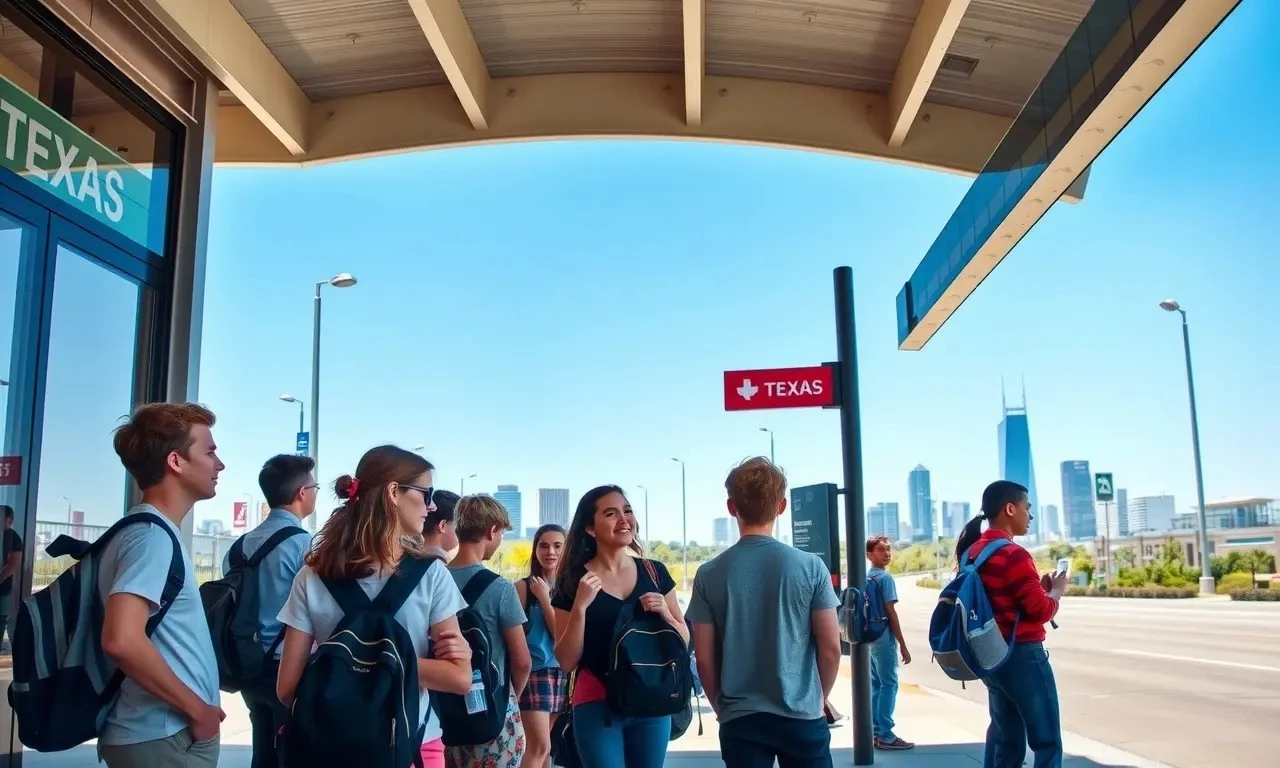
Public transportation plays a crucial role in providing accessible and affordable mobility options for students across Texas․ The question of whether public transportation is free for students in Texas is multifaceted, involving various transit systems, policies, and funding initiatives․ This article delves into the current landscape of public transportation for students in Texas, exploring the programs, eligibility criteria, and benefits associated with fare-free or discounted transit services․
Public Transportation in Texas
Texas, being a vast state with major urban centers such as Houston, Dallas, Austin, and San Antonio, operates multiple transit systems․ These systems include buses, metro services, and light rail, each serving the diverse needs of the population․ For students, these systems are vital for commuting to school, college, or university․
Transit Systems and Student Accessibility
The accessibility of transit systems for students varies by city and is influenced by local government policies and funding․ Major cities have established robust public transportation networks that prioritize accessibility, ensuring that students can reach their educational institutions efficiently․
Fare-Free and Discounted Programs
Several cities in Texas have initiated fare-free or discounted programs specifically for students․ These programs aim to alleviate the financial burden on students and encourage the use of public transportation․ Below are some examples:
- Austin: Through the CapMetro system, students from certain school districts can access free rides․ The city has also implemented discount programs for college and university students․
- Houston: The METRO offers reduced fares for students, with eligibility extending to those enrolled in recognized educational institutions․
- Dallas-Fort Worth: The DART system provides discounts and occasional fare-free days for students, particularly during special events or initiatives․
Eligibility and Enrollment
Eligibility for free or discounted public transportation often depends on factors such as age, enrollment status, and the institution attended․ Students are typically required to provide proof of enrollment, such as a school ID or enrollment verification, to qualify for these benefits․
School and College Programs
Many schools and colleges in Texas collaborate with local transit authorities to offer transit benefits․ These collaborations may include:
- Direct funding from educational institutions to subsidize student fares․
- Joint initiatives with city governments to expand transit access․
- Special passes or cards issued to students as part of their enrollment package․
Government and Policy Initiatives
The Texas government, along with local city administrations, plays a crucial role in shaping public transportation policies․ Funding for these programs often comes from a combination of state budget allocations, federal grants, and local taxes․
Funding and Policy Support
Policies supporting fare-free or discounted transportation for students are typically backed by funding initiatives aimed at enhancing community accessibility․ These policies not only benefit students but also contribute to reduced traffic congestion and lower environmental impact․
Benefits to the Community
Offering free or discounted public transportation to students has numerous benefits:
- Economic Relief: Reducing transportation costs helps students, especially those from low-income families, save money that can be redirected towards educational expenses․
- Increased Accessibility: Enhanced transit options enable students to access a wider range of educational opportunities, including extracurricular activities and internships․
- Environmental Benefits: Encouraging public transportation use among students contributes to lower emissions and a greener urban environment․
- Community Development: A well-connected transit system supports local businesses and fosters a sense of community by connecting neighborhoods with educational hubs․
Challenges and Future Prospects
Despite the benefits, there are challenges in implementing widespread fare-free programs․ Funding constraints, infrastructure limitations, and policy differences across cities can impede the uniform application of these programs․ However, ongoing government and community efforts strive to overcome these hurdles․
Looking Ahead
The future of public transportation for students in Texas looks promising, with ongoing initiatives to expand and improve transit services․ Continued investment in transit infrastructure and innovative policy-making will be key to ensuring that students across the state have equitable access to reliable and affordable transportation․
