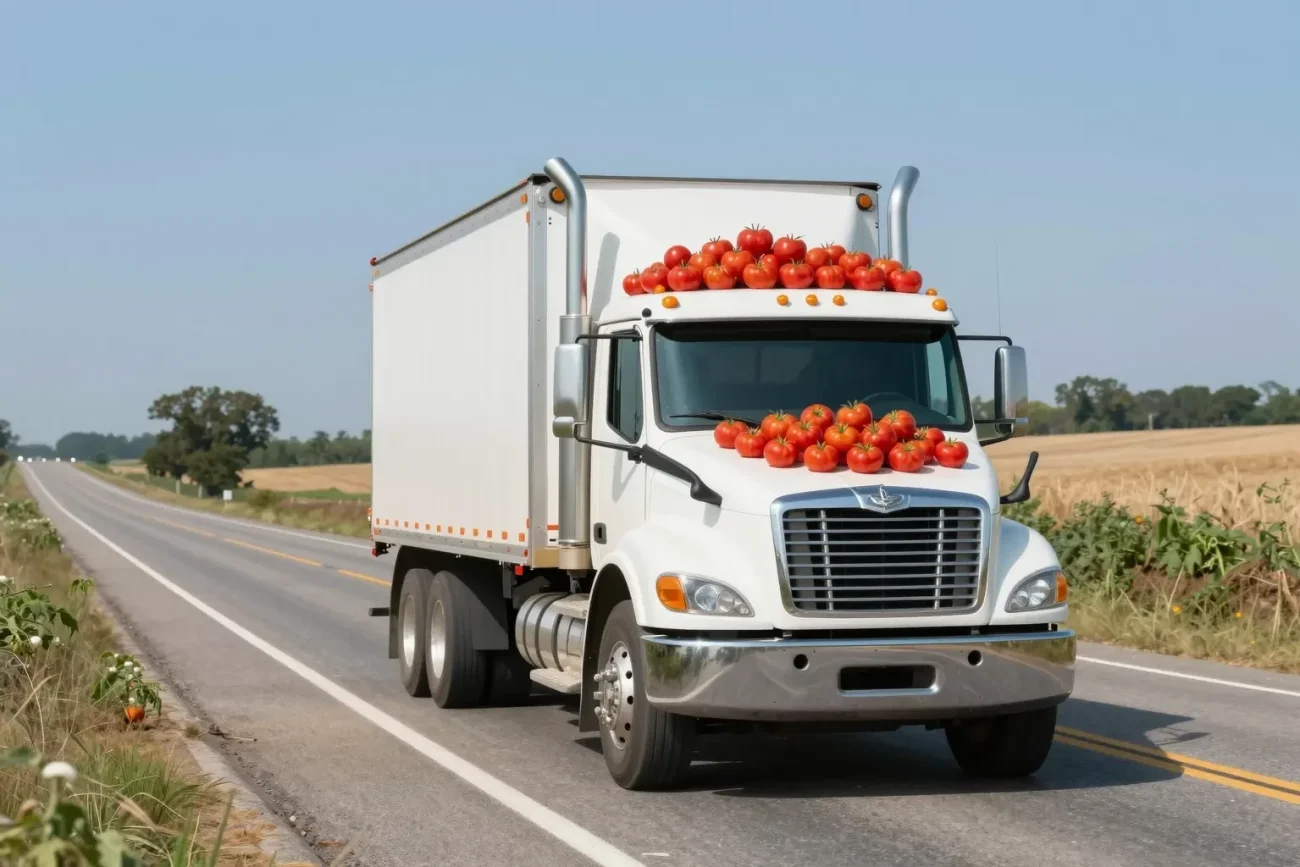
Transporting tomatoes from California to Texas involves a complex network of logistics, transportation, and supply chain management. This article explores the intricacies of moving perishables like tomatoes across state lines, focusing on key aspects such as regulations, transportation modes, and logistics planning.
Understanding the Logistics of Tomato Transport
Tomatoes, a staple in agricultural products, require careful handling due to their perishable nature. The journey from California, a major agricultural hub, to Texas markets involves several challenges and considerations. Let’s delve into these critical components of produce transport.
The Role of Temperature Control in Transportation
Maintaining optimal temperatures is crucial in the transportation of perishables. Temperature control ensures that tomatoes remain fresh throughout the journey. Cold storage facilities and refrigerated trucks, or reefer trucks, are essential in preventing spoilage and ensuring food safety.
Regulations Governing Interstate Commerce
Interstate commerce between California and Texas is governed by various regulations to ensure food safety and quality. Compliance with standards set by agencies like the USDA and FDA is mandatory. These regulations cover aspects like packaging, labeling, and the condition of transportation vehicles.
Logistics Planning for Efficient Distribution
- Route Optimization: Selecting the most efficient routes is crucial for reducing transit time and managing costs. The choice of routes affects delivery schedules and fuel consumption.
- Carrier Services: Partnering with reliable carrier services is essential for timely and safe delivery. These services must have experience in handling perishables and comply with all regulatory requirements.
- Cost Management: Balancing cost with quality service is a critical aspect of logistics planning. This involves negotiating freight rates, optimizing load capacities, and scheduling deliveries to minimize expenses.
Packaging and Shipment Considerations
Proper packaging is vital to protect tomatoes during transit. Packaging should be designed to cushion the produce and allow for adequate ventilation. This prevents damage and maintains the quality of the shipment.
The Importance of Cold Storage
Before embarking on cross-state delivery, tomatoes are often stored in cold storage facilities. These facilities help maintain the freshness of the produce until it is ready to be loaded onto trucks for transportation.
Challenges in Produce Transport
Transporting tomatoes from California to Texas is not without its challenges. From fluctuating temperatures to regulatory compliance and logistical hurdles, each aspect requires meticulous planning and execution.
Ensuring Food Safety
Food safety is paramount in the transportation of perishables. Regular inspections and adherence to safety protocols are necessary to prevent contamination and spoilage.
Managing Transit Time
Transit time is a critical factor in the distribution of perishable goods. Efficient logistics planning and route optimization are essential to ensure timely deliveries and reduce the risk of spoilage.
Export-Import Regulations
Though tomatoes transported from California to Texas do not typically involve international boundaries, understanding export-import regulations is beneficial for companies involved in global supply chains.
Transporting tomatoes from California to Texas is a complex process that requires a keen understanding of logistics, transportation, and regulatory requirements. By focusing on temperature control, effective logistics planning, and compliance with food safety standards, companies can ensure the successful delivery of fresh, high-quality tomatoes to Texas markets. The journey involves navigating a web of challenges, but with meticulous planning and execution, the transportation of these perishables can be optimized for efficiency and quality.
