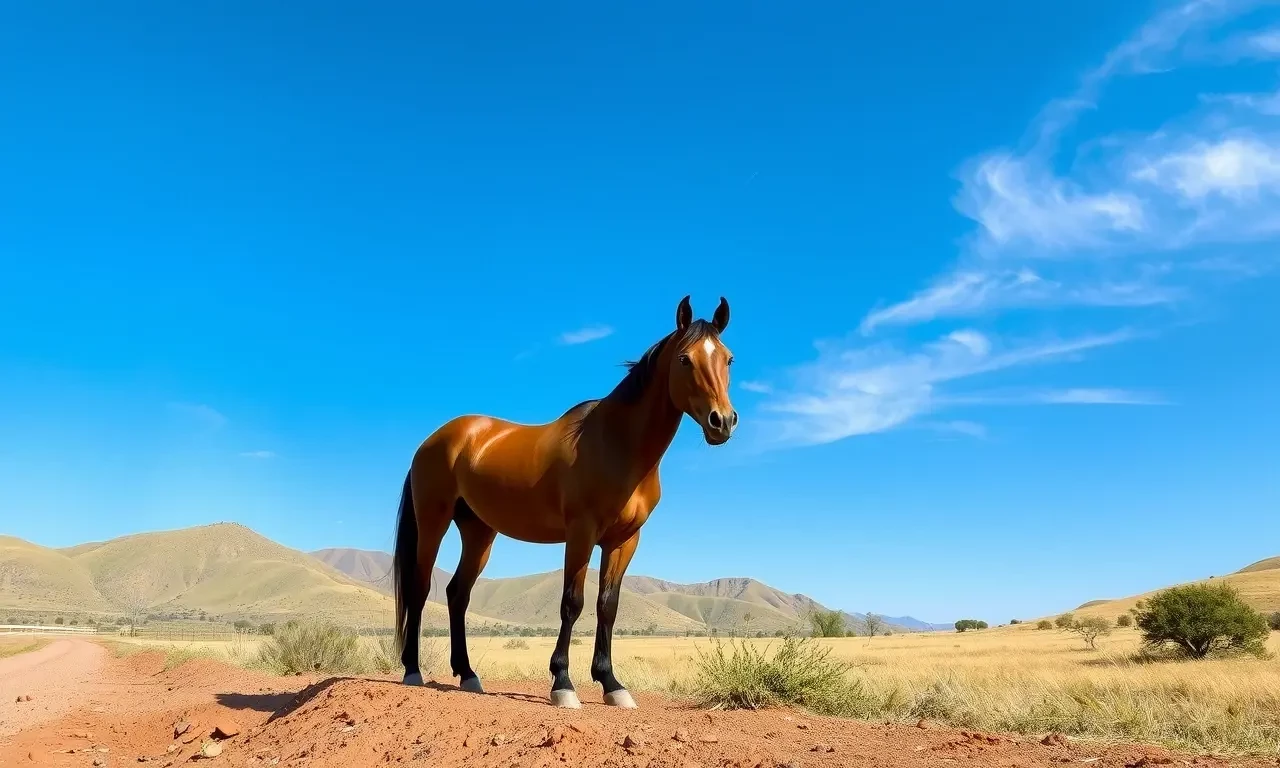
In the vast state of Texas, known for its rich cowboy culture and sprawling landscapes, horses have always been a significant part of life. But in modern times, where motor vehicles dominate the roads, one might wonder: do horses still have authorization as a mode of transportation? This article explores the legal framework, historical context, and current regulations surrounding the use of horses for transportation in Texas.
Historical Context
Historically, horses were the primary means of transportation in Texas. They were used for travel, work, and leisure long before the advent of motor vehicles. The equine culture is deeply embedded in Texan heritage, and many traditions still celebrate this legacy. However, as cities grew and roads became more congested, the role of horses in daily transportation diminished.
Legal Status of Horses as Transportation
In Texas, horses are legally recognized as a form of transportation under certain conditions. The state laws provide specific guidelines and regulations for using horses on public roads. This recognition is crucial for horse riders who wish to use their equine companions as alternative transportation to motor vehicles.
Regulations and Guidelines
- Public Roads: Horses are allowed on public roads, but riders must adhere to specific traffic rules and safety regulations to ensure both their safety and that of other road users.
- Permits and Licensing: While horseback riding does not typically require a driver’s license, some local jurisdictions may require permits for riding horses on certain roads or areas.
- Traffic Rules: Riders must follow the same traffic signals and signs as motor vehicles. They should also wear reflective gear if riding at night.
- Animal Welfare: Texas law mandates the humane treatment of animals, including horses. Riders must ensure that their horses are healthy and fit for travel.
Equine Use on Highways
Using horses on highways in Texas is subject to stricter regulations due to the high-speed nature of these roads. While not commonly practiced, it is legally permissible under certain conditions:
- Riders must use the shoulder of the road whenever possible.
- Reflective clothing and gear are mandatory for visibility.
- Travel is generally discouraged during peak traffic hours to minimize safety risks.
Safety Considerations
Safety is paramount when using horses as a mode of transportation, particularly on public roads. Riders should be aware of the following safety guidelines:
- Always wear a helmet and reflective gear.
- Ensure horses are well-trained and responsive to commands.
- Be cautious of sudden movements or noises that might startle the horse.
- Maintain a safe distance from motor vehicles.
Alternative Transportation
In some rural areas of Texas, horses remain a practical mode of transportation. They offer an eco-friendly alternative to motor vehicles and are often used for short-distance travel. Moreover, horse-drawn carriages are popular in tourist areas, providing a nostalgic experience for visitors.
In conclusion, horses do have authorization as a mode of transportation in Texas, but this comes with a set of regulations and responsibilities. Riders must be aware of the legal requirements, ensure the safety of their horses, and respect the rights of other road users. While not as common as motor vehicles, horses continue to be a viable and cherished form of travel in certain contexts within the state.
References
For more information on the laws and regulations regarding equine transportation in Texas, please refer to the Texas Department of Transportation and local municipal guidelines.
